Cabins and suites

Your room at sea shapes every day onboard

Cabins are a core cruise-ship category in ADSIGHT LTD’s detailed guidance on ships and life on board. They shape rest, sea views and small practical routines, whether you want a quiet retreat or quick access to the life unfolding beyond your door.

A useful first comparison

The cabin spectrum, without the shorthand

Broad cabin names are useful starting points, but they describe different ways of using the ship. Think first about daylight, outdoor time, privacy and how much of each day you expect to spend in your room, rather than treating one category as the universal answer.

Inside cabins: a quiet base

Inside cabins are the most enclosed cruise cabin category, built around sleep, storage and a practical place to reset. Without a direct exterior view, they can suit readers who expect to spend most waking hours in lounges, decks, dining rooms and other shared spaces rather than in the room itself.

Consider it if: a calm, efficient base matters more than daylight in the cabin.
Ocean-view cabins: daylight in the room

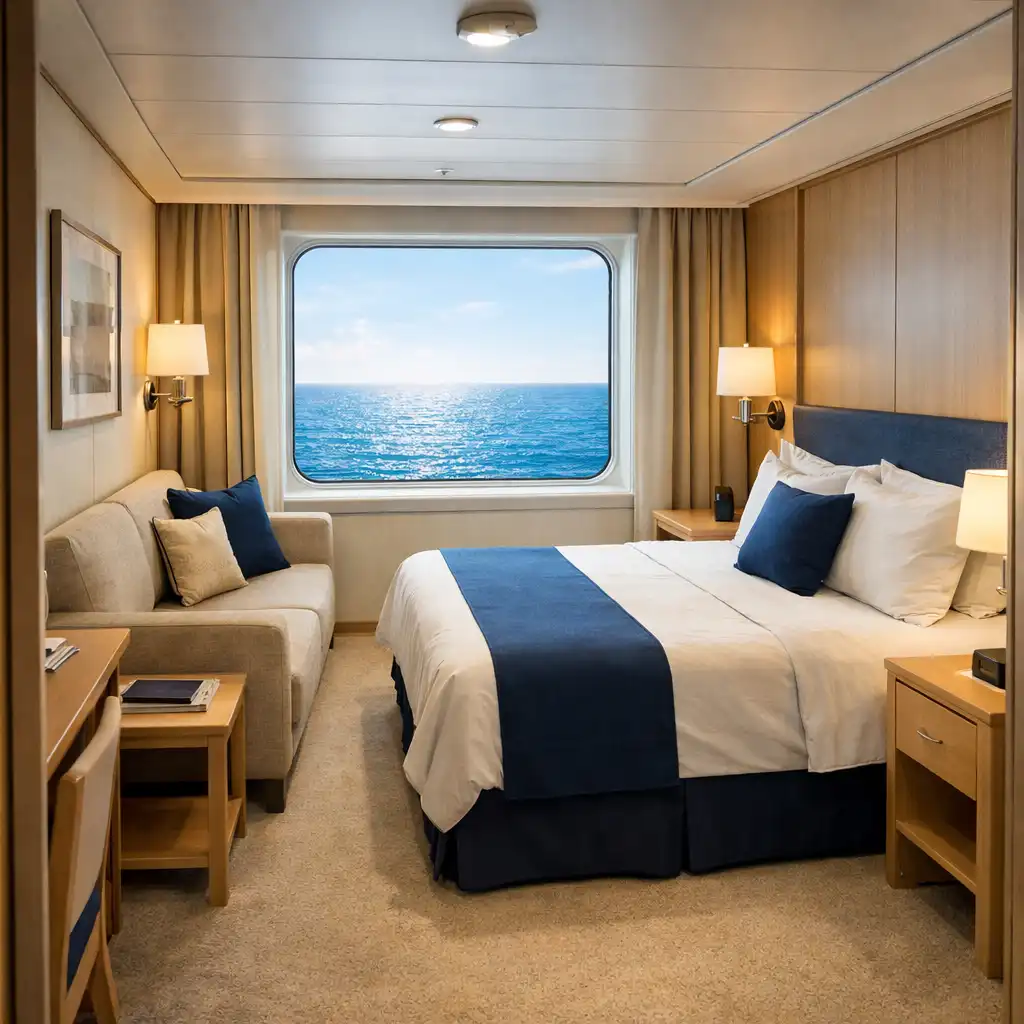
Ocean-view cabins bring daylight and a visual connection to the route while keeping the room’s experience firmly indoors. Window type, placement and outlook can vary by ship and location, so a specific deck plan is worth checking when the view is an important part of your routine.

Consider it if: seeing the sea from the room helps the cabin feel more open.

Balcony cabins: a personal outdoor threshold

A balcony cabin adds direct outdoor access: a place for horizon time, fresh air and a pause between the ship’s busy moments. Weather, wind, privacy and the outlook are practical variables, and balcony size or exposure should never be assumed from the category name alone.

Consider it if: private time outside is part of how you imagine the voyage.

Suites: more room to settle in

Suites are a broad family of accommodations, not one standard product. Their appeal often lies in more generous living space and separation between sleeping, sitting or sharing time together. Added amenities may differ by ship and suite type, so the detailed description matters more than the label.

Look for: layout, sleeping separation, outdoor space and location.

Bright ocean-view cruise cabin showing a bed, sofa, window and clear floor space
Daylight can change the feel of a contained room, while the specific window and outlook remain ship-dependent.
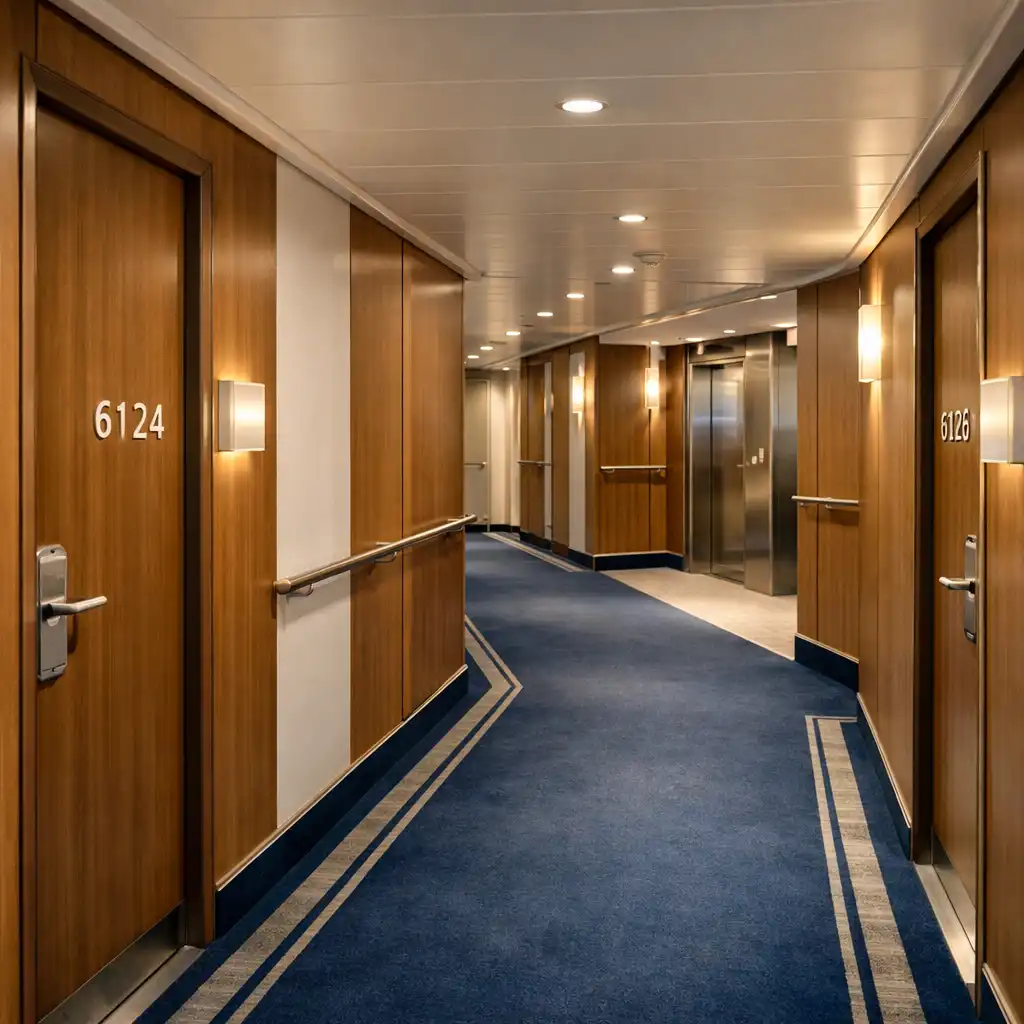
Quiet modern cruise ship accommodation corridor leading toward lifts
Corridors and nearby junctions can shape the pace outside a cabin door.

Deck-plan thinking

Choose a place on the ship, not just a room

Cabins sit across different decks and areas, so location can affect the feel of a journey as much as the room category. As you read a plan, picture how you will move through the ship each day: where you begin the morning, where you return after dinner, and which shared spaces are likely to become part of your rhythm.

Movement

Think about how the ship moves

Readers attentive to movement may find central, lower or more sheltered locations worth considering. Conditions, route and ship design can all influence the experience, so no position works identically for everyone. Use the deck plan as a starting point for questions, not as a guarantee of how a sailing will feel.

Daily routes

Map the places you expect to use

Proximity to lifts, stairs, dining rooms, theatres, pools or lounges can shorten daily walks, but it may also mean more passing activity nearby. Estimate how often you expect to use those places, then balance convenience with the atmosphere you want outside your door. Explore shared spaces.

Outlook

A view is more than a window

Even within one broad category, direction, nearby structures and balcony exposure can change the outlook. When a particular view matters, inspect cabin notes and the deck plan together, including any obstruction information. Read how public decks shape the view.

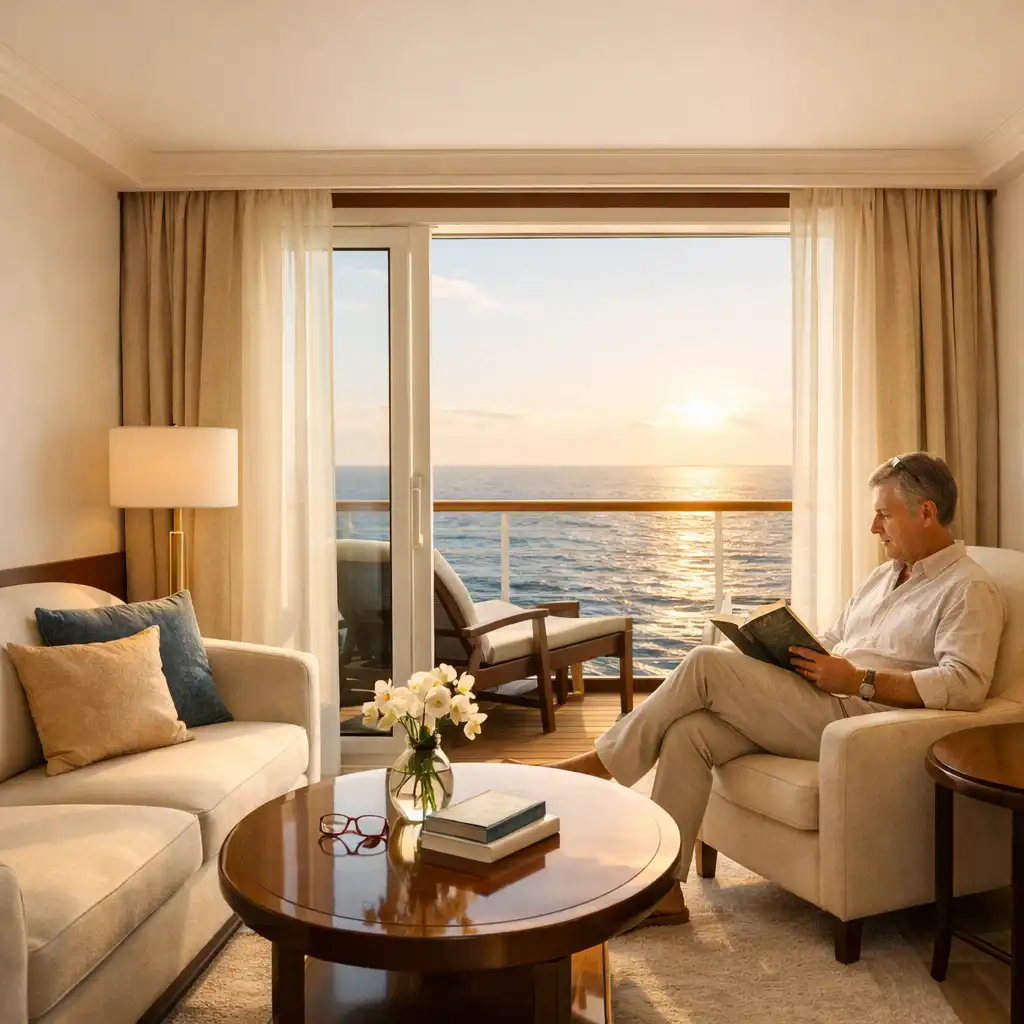
Passenger reading in a sunlit cruise suite lounge beside a private balcony
A suite can support quiet time without making the room the whole voyage.

A lived-in perspective

When extra space changes the stay

Suites are part of cruise-ship accommodation coverage because extra space can change how a room works, not simply how it looks. A layout with distinct zones may help solo travellers, couples, friends and multigenerational groups give sleeping, sitting, planning and sharing time their own place. Configuration differs by ship and suite type.

Room for different rhythms

A separate living area can make it easier to keep rest, morning routines and social time from competing. It may offer a comfortable spot for reading, planning the next port day, enjoying a quiet room-service moment or taking a pre-dinner pause, without assuming every traveller wants to use the cabin in the same way.

Group travel

A better fit for shared travel

For families, friends and multigenerational groups, privacy often comes down to sleeping arrangements, doors and bathroom layout. Review a particular plan closely before deciding that a larger room solves every shared-travel need. Our wider family and passenger-life coverage can help frame the day beyond the cabin.

Different travel rhythms

Start with who will share the space

A useful cabin choice begins with people’s routines, not an assumed ideal. Think about who needs sleep at different times, where bags will land after a full day, and how readily everyone can move through the room and the ship.

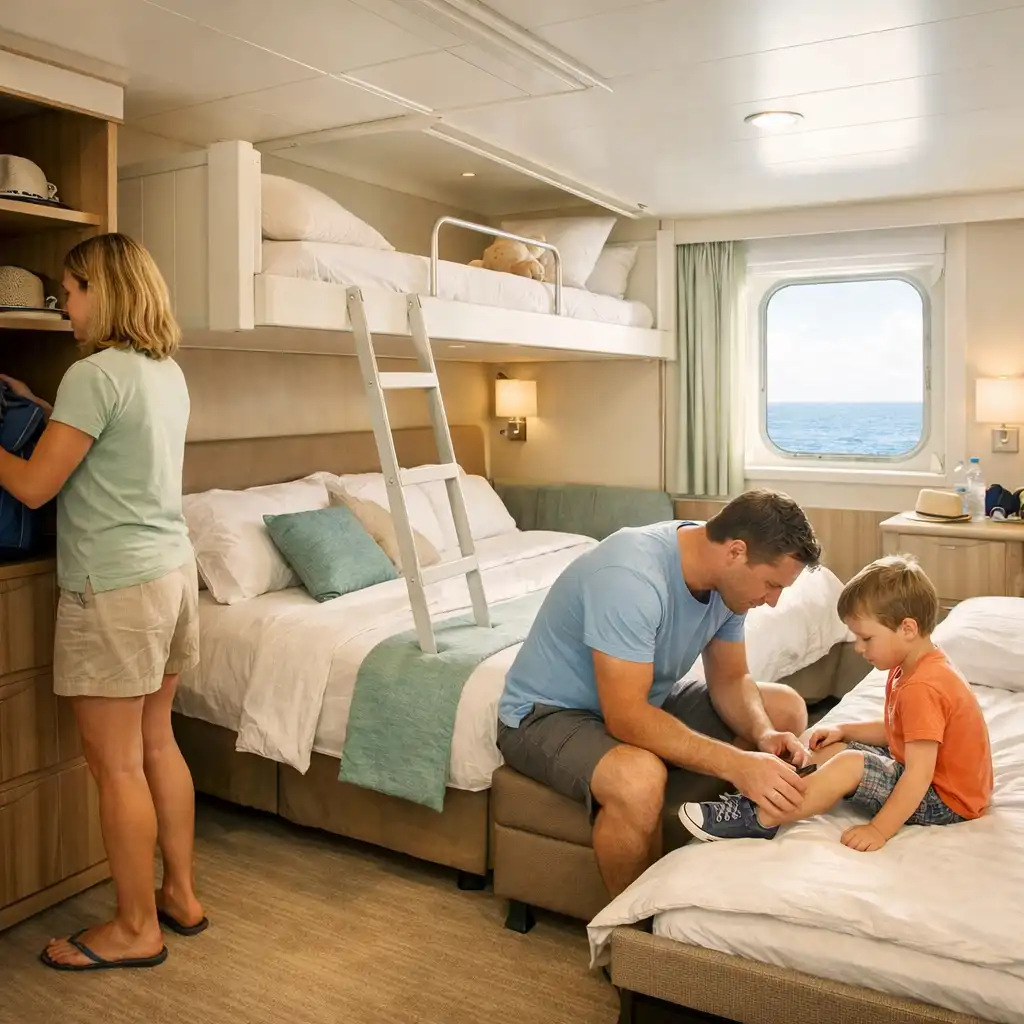
Family preparing for the day in a bright cruise cabin with flexible sleeping space

Families

Plan for the room after the exciting parts of the day

For travellers with children, cabin planning can start with sleeping arrangements, storage and wind-down needs. Flexible layouts, bathroom timing and enough clear floor space for bags and routines may matter long after the day’s activities end. Check the exact layout on the ship you are considering, then explore family areas as part of the whole day.

Solo travel

Make the cabin work for your own rhythm

Solo travellers can weigh personal routine, daylight preference and the time they expect to spend in public spaces. There is no single best category: a cabin may be a deeply personal retreat, a place to reset between discoveries, or simply a launch point for the ship’s shared life. Choose the balance that feels natural to you.

Access

Put access and ease of movement first

When access is a priority, let it lead the research rather than becoming an afterthought. Ship-specific descriptions can help you investigate doorway clearance, bathroom layout, routes to lifts and proximity to preferred venues. Specifications vary, so a careful look at the exact cabin and its surrounding deck is an important part of planning.

Everyday comfort

Make a cabin feel like part of the voyage

Comfort is often less about a list of fittings and more about the questions you ask before and during the stay. A few simple habits can help a cabin support the day’s pace instead of becoming somewhere you only pass through.

Create a place for the everyday items

Consider unpacking enough to see the room’s surfaces and using available storage thoughtfully. Giving daily items, evening clothes and bags a clear place can make a compact room feel easier to move through without assuming any particular storage capacity.

Protect the rest you came for

Think about light, sleep and your morning routine when comparing category and position. Daylight preference, curtains and possible nearby activity are all ship-dependent considerations, but they can help you imagine whether a room feels suited to the rest you value.

Let the room support the day, not interrupt it

Balcony time, a quiet pause or a room-service moment can make the cabin feel connected to the voyage. Treat these as personal habits rather than promised inclusions, and let them sit alongside the wider rhythm of dining and restaurants onboard.

A final comparison lens

Use your priorities to narrow the choice

When two cabins look similar on a deck plan, a few honest preferences can make the distinction clearer. Use them as prompts for reading the cabin description, not as universal rules about where to stay.

Line of cruise ship balconies above the ship’s wake on a bright blue sea
Balcony exposure, outlook and the feeling of being near the sea depend on the route, weather and ship position.

Outdoor time

How will you use a balcony?

Balance horizon access with weather exposure, privacy and how much time you realistically expect to spend outside. Conditions can vary by route, weather and ship position, even within the balcony cabin category.

Proximity

Would you rather be near the action?

Consider how often you expect to visit theatres, dining rooms, pools or lounges. A shorter walk can be helpful, while nearby routes may bring more passing activity depending on the ship’s layout.

Light

How much daylight feels right?

Choose between waking to natural light and maintaining a more enclosed, sleep-focused room. Inside and ocean-view cabins create different visual connections to the sea, without ranking one preference above another.

View

What do you want to see from the room?

Inspect the deck plan and description together when the exact outlook matters. Direction, possible obstructions and nearby public areas may all affect the experience. Read passenger experiences.

Cabin questions

Practical questions before you choose

These answers are designed to help you read a deck plan and cabin description with more confidence, even before you have settled on a cruise line or itinerary.

Continue the ship story

The cabin is one chapter of ship life

Once you have a clearer idea of your private base, the spaces and rhythms beyond it can help shape the rest of the voyage.

Dining and restaurants

Build the day around meals and moments

Dining is part of the daily itinerary, from a quick start to a lingering evening pause. Explore how restaurant timing, room routines and private downtime can work together onboard.

Explore dining and restaurants

Public spaces

Find the spaces that extend your cabin

Atriums, decks, lounges and quieter corners can become the rooms you return to beyond your own door.

Read the public-spaces guide

Passenger experiences

See how the ship feels from morning to night

Discover the different ways passengers shape a day at sea, from quiet routines to shared moments.

Discover passenger experiences

Carry the choice onward

Choose the room that leaves space for the voyage

The right cabin supports your own pace between the sea, shared spaces and rest. ADSIGHT LTD provides guidance on cruise ships and life on board, so you can continue exploring the categories that make a floating destination feel like your kind of day.

Explore cruise-ship categories